Correctly entering frequency, symbol rate, polarization, and FEC values into a receiver is crucial for proper tuning. Even small mistakes can prevent a signal from locking, delaying access to channels.
By following accurate frequency data and maintaining proper hardware setup, viewers can enjoy consistent satellite reception. Regular monitoring ensures clear visuals, stable audio, and uninterrupted entertainment.
Entering accurate tuning parameters ensures successful signal lock on the receiver. Manual scans allow quick addition of known channels, while blind scans detect new transponders. Combining both methods maximizes coverage efficiently.
Proper dish alignment and high-quality cables are key to strong signal reception. Even with correct frequency values, poor hardware can reduce clarity and cause interruptions.
Regular monitoring of updates allows viewers to restore channels promptly, ensuring uninterrupted satellite viewing at all times.
Modern receivers support both manual and automatic scanning modes. Manual input allows users to add channels quickly when exact frequencies are available, while automatic scans detect all active transponders across the satellite. Combining these methods maximizes channel coverage efficiently.
Proper dish alignment and cable quality directly affect reception strength. Even slight misalignment can cause weak signals, reducing picture clarity and sound quality. Ensuring the dish and LNB are installed correctly results in a stable and reliable setup.
Transponder updates often include new channels, upgrades to HD quality, or relocation to a different satellite. Staying informed about these changes allows users to react promptly and maintain uninterrupted viewing.
Understanding how frequency, symbol rate, polarization, and FEC work empowers users to manage their satellite receivers confidently. Each successful scan enhances technical knowledge and improves future tuning efficiency.
Freq Guide provides verified, up-to-date frequency information, making it easy for viewers to restore missing channels and discover new ones without any technical difficulties. The platform ensures consistent and reliable satellite reception.
Understanding how to input frequency, symbol rate, polarization, and FEC into a receiver ensures successful channel detection. Even minor errors in these values can prevent channels from appearing, which emphasizes the importance of accuracy.
Receivers today feature both manual tuning and blind scan options. Manual tuning allows precise channel addition when exact values are available, while blind scan detects all active transponders on a satellite. Using these features effectively improves the viewing experience.
Dish alignment is critical for signal strength. A slight misalignment can weaken reception and cause interruptions. Ensuring proper elevation, azimuth, and LNB placement helps maintain a stable signal even during adverse weather.
High-quality cables and connectors also contribute to reliable reception. Low-grade or damaged cables reduce signal flow, creating pixelation or audio issues. Upgrading cabling ensures consistent performance.
Broadcast providers frequently update transponders, add new channels, or move existing ones. Viewers who monitor these changes can react quickly and restore access without delay, ensuring no disruption in service.
Knowledge of satellite settings empowers users to manage their own systems confidently. Each successful scan builds experience, making future updates easier and faster, while reducing reliance on technical support.
Satellite Tracker offers trusted, regularly updated frequency data, enabling viewers to maintain smooth, uninterrupted reception. With verified information and clear guidance, users can enjoy their favorite channels without worry or delay.
Properly entering frequency, symbol rate, polarization, and FEC into a receiver is critical for successful tuning. Even small mistakes can prevent a signal from locking, making channel scanning inefficient and time-consuming. Understanding these details simplifies the setup process and improves viewing quality.
Freq Radar provides reliable, up-to-date frequency information, helping users quickly restore lost channels and add new ones with ease. With clear guidance and accurate data, tuning becomes simple, organized, and accessible for all viewers, regardless of technical expertise.
Entering correct frequency, symbol rate, polarization, and FEC values is crucial for successful tuning. Even minor mistakes can prevent signal locking, delaying channel access.
Manual scanning allows users to add specific channels efficiently, while blind scans detect all active transponders. Combining both methods optimizes coverage and ensures complete access.
Proper dish alignment and high-quality cables significantly improve signal strength and clarity. Without proper installation, even accurate frequencies may fail to deliver a clear picture.
Regularly monitoring transponder updates ensures viewers can restore channels promptly when changes occur. Staying proactive minimizes downtime and maintains uninterrupted viewing.
By combining accurate tuning, proper hardware setup, and vigilance, viewers enjoy reliable satellite reception with clear visuals and stable audio.
Satellites have revolutionized modern communication, broadcasting, navigation, and weather monitoring. From watching international news channels to using GPS while driving, satellites are an essential part of our daily lives. In this article, we explore what satellites are, their orbital types, and how to receive their signals at home.
🌍 What Is a Satellite?
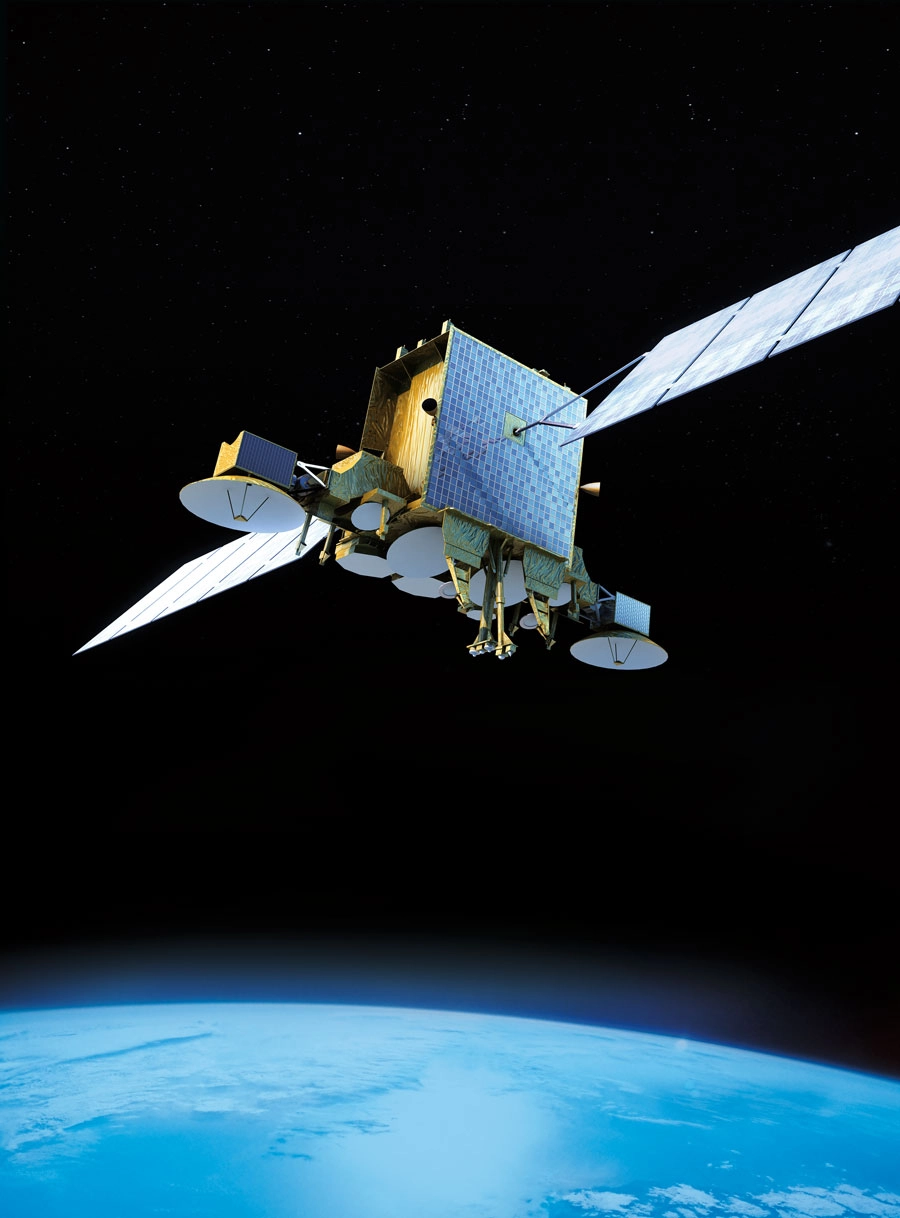
A satellite is an artificial object launched into space to orbit a planet or other celestial body. Satellites are used for a wide range of applications, including:
-
TV and radio broadcasting
-
Internet and telecommunication
-
GPS and global navigation
-
Military reconnaissance
-
Weather forecasting and climate research
-
Earth observation and scientific exploration
🧭 Types of Satellite Orbits
Satellites orbit the Earth at different heights depending on their mission. The three main types of satellite orbits are:
1. LEO – Low Earth Orbit (160 km – 2,000 km)
-
Orbits Earth in 90–120 minutes
-
Used for: internet (e.g., Starlink), Earth imaging, space stations (ISS)
-
Low latency and high resolution
-
Requires many satellites for global coverage
2. MEO – Medium Earth Orbit (2,000 km – 35,786 km)
-
Orbits Earth in 2–12 hours
-
Used for: GPS, GLONASS, Galileo navigation systems
-
Balanced latency and coverage
-
Fewer satellites needed than LEO
3. GEO – Geostationary Orbit (35,786 km)
-
Remains fixed over one location on the equator
-
Orbits the Earth in 24 hours (same as Earth’s rotation)
-
Used for: TV broadcasting (e.g., Nilesat, Hotbird), communications, weather satellites
-
Provides constant coverage of a large area
-
Higher latency but ideal for broadcasting
📡 How to Receive Satellite Signals at Home
To watch satellite TV or receive satellite data, you need a satellite reception system. Here’s how it works:
🧰 Essential Components:
| Component | Function |
|---|---|
| Satellite Dish | Captures signals from the satellite and reflects them to the LNB |
| LNB (Low-Noise Block) | Converts and amplifies signals from the satellite into usable frequencies |
| Receiver (Decoder) | Translates satellite signals into video/audio or data |
| TV or Monitor | Displays the content |
🛰️ Steps to Receive a Satellite Signal:
-
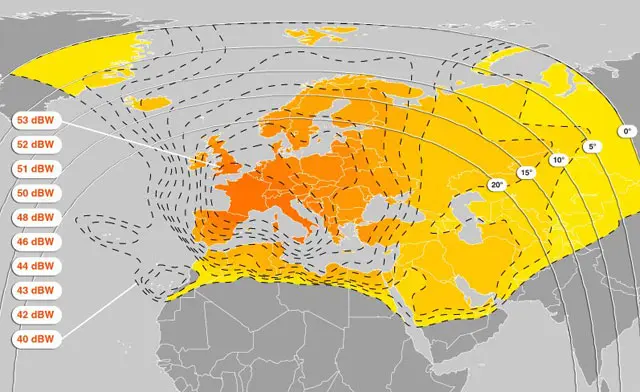
Choose the Right Satellite:
Example: Hotbird (13°E), Nilesat (7°W), Astra (19.2°E) -
Position the Dish:
-
Use a compass or satellite finder to align the dish to the satellite’s position.
-
Adjust azimuth (left/right), elevation (up/down), and skew (LNB tilt).
-
Fine-tune the signal using a signal meter or the receiver’s signal strength screen.
-
-
Connect the Equipment:
-
Connect LNB to the receiver using a coaxial cable.
-
Connect the receiver to your TV using HDMI or AV cables.
-
-
Scan for Channels:
-
Use your receiver’s menu to scan transponders or manually enter frequency settings.
-
Example:
-
- Save Channels and Enjoy!
💡 Tips for Better Signal Quality:
-
Use a high-quality dish (at least 60–80 cm for most satellites).
-
Ensure there are no obstacles (trees, buildings) between the dish and the sky.
-
Secure the dish firmly to avoid movement due to wind.
-
Weather can affect signal—especially heavy rain (known as rain fade).
🛰️ Popular transmission Satellites:
| Satellite Name | Orbital Position | Usage |
|---|---|---|
| Nilesat | 7° West | Arabic and African channels |
| Hotbird | 13° East | European and some Arabic TV |
| Astra 19.2°E | 19.2° East | Western European channels |
| Galaxy 19 | 97° West | North American international TV |
Entering accurate frequency, symbol rate, polarization, and FEC values is essential. Even minor mistakes can prevent successful signal lock, causing delays and repeated scanning. Learning these basics ensures efficient channel restoration.
Modern receivers support manual tuning and blind scans. Manual input is ideal for adding known channels, while blind scans discover all active transponders on a satellite. Using both methods maximizes coverage and convenience.
Dish alignment and hardware quality influence reception significantly. Proper elevation, azimuth, and LNB positioning guarantee strong signals, while high-quality cables reduce interference. This setup ensures stable picture and audio.
Frequent monitoring of updates allows viewers to react quickly when channels move or transponders change. Staying informed prevents sudden loss of access and maintains uninterrupted viewing.
Building technical skills and confidence empowers users to manage their satellite systems independently. Experience reduces errors and speeds up future tuning processes.
Combining verified data, proper setup, and regular updates ensures a seamless and enjoyable satellite TV experience every time.
Properly entering frequency, symbol rate, polarization, and FEC values is necessary for successful tuning. Even minor mistakes can prevent channels from appearing, causing frustration. Learning these basics saves time and ensures efficient restoration.
Dish alignment, cable quality, and LNB stability significantly impact signal reception. Proper installation guarantees strong signals, clear visuals, and uninterrupted audio. Even with accurate frequency data, poor hardware can reduce viewing quality.
Regularly checking for updates allows viewers to restore channels quickly when changes occur. This proactive approach ensures a seamless satellite experience without interruptions.
Entering accurate frequency, symbol rate, polarization, and FEC values ensures proper signal detection. Manual tuning is effective for known channels, while blind scan helps discover additional transponders. Using both methods maximizes channel coverage efficiently.
Proper dish alignment and high-quality cables enhance signal strength and prevent disruptions. Even small misalignments or damaged connections can weaken reception, causing pixelation or audio issues. Ensuring hardware quality guarantees a reliable viewing experience.
Monitoring updates regularly prevents unexpected channel loss and keeps the receiver synchronized with satellite changes. Staying proactive saves time and avoids frustration during tuning.
Combining accurate data, proper setup, and vigilance allows viewers to enjoy uninterrupted satellite reception with clear visuals and stable sound every day.
Correct frequency entry ensures proper signal lock on the receiver. Manual scanning is faster for known channels, while blind scans help discover additional transponders. Understanding when to use each method improves efficiency.
Dish alignment, high-quality cables, and stable LNB connections enhance signal reception. Even with accurate frequencies, improper installation can reduce performance and clarity. Maintaining hardware guarantees consistent viewing.
Frequent monitoring of updates prevents sudden channel loss. Channels may move satellites or upgrade broadcast quality, and staying informed ensures smooth access without interruption.
Learning to manage tuning independently builds technical confidence. Experienced users restore channels quickly and efficiently, saving time and avoiding unnecessary frustration.
Combining accurate data, proper setup, and vigilance ensures a seamless satellite experience with high-quality picture, stable audio, and uninterrupted entertainment.
Entering correct frequency, symbol rate, polarization, and FEC values is essential. Even minor errors can prevent channels from appearing. Mastering these basics helps viewers restore channels quickly and efficiently.
Dish alignment, cable quality, and LNB stability significantly affect reception. Proper installation ensures strong signal strength and prevents pixelation or audio interruptions. Regular maintenance enhances performance over time.
Modern receivers provide both manual tuning and blind scan options. Manual tuning adds known channels quickly, while blind scans discover new transponders. Using both methods maximizes channel access and viewing satisfaction.
By combining accurate data, proper setup, and regular updates, viewers enjoy uninterrupted satellite TV with high-quality visuals and sound, making every viewing session enjoyable.
Entering accurate frequency, symbol rate, polarization, and FEC values guarantees successful signal lock on the receiver. Small errors can prevent channels from appearing, delaying the viewing experience. Understanding these details simplifies channel restoration.
By combining correct tuning parameters with proper hardware setup, viewers experience reliable satellite reception. Regular monitoring and careful adjustments ensure clear visuals, stable audio, and a seamless television experience.
Entering accurate frequency, symbol rate, polarization, and FEC values is essential. Even minor mistakes can prevent successful signal lock, causing delays and repeated scanning. Learning these basics ensures efficient channel restoration.
Modern receivers support manual tuning and blind scans. Manual input is ideal for adding known channels, while blind scans discover all active transponders on a satellite. Using both methods maximizes coverage and convenience.
Dish alignment and hardware quality influence reception significantly. Proper elevation, azimuth, and LNB positioning guarantee strong signals, while high-quality cables reduce interference. This setup ensures stable picture and audio.
Frequent monitoring of updates allows viewers to react quickly when channels move or transponders change. Staying informed prevents sudden loss of access and maintains uninterrupted viewing.
Building technical skills and confidence empowers users to manage their satellite systems independently. Experience reduces errors and speeds up future tuning processes.
Combining verified data, proper setup, and regular updates ensures a seamless and enjoyable satellite TV experience every time.