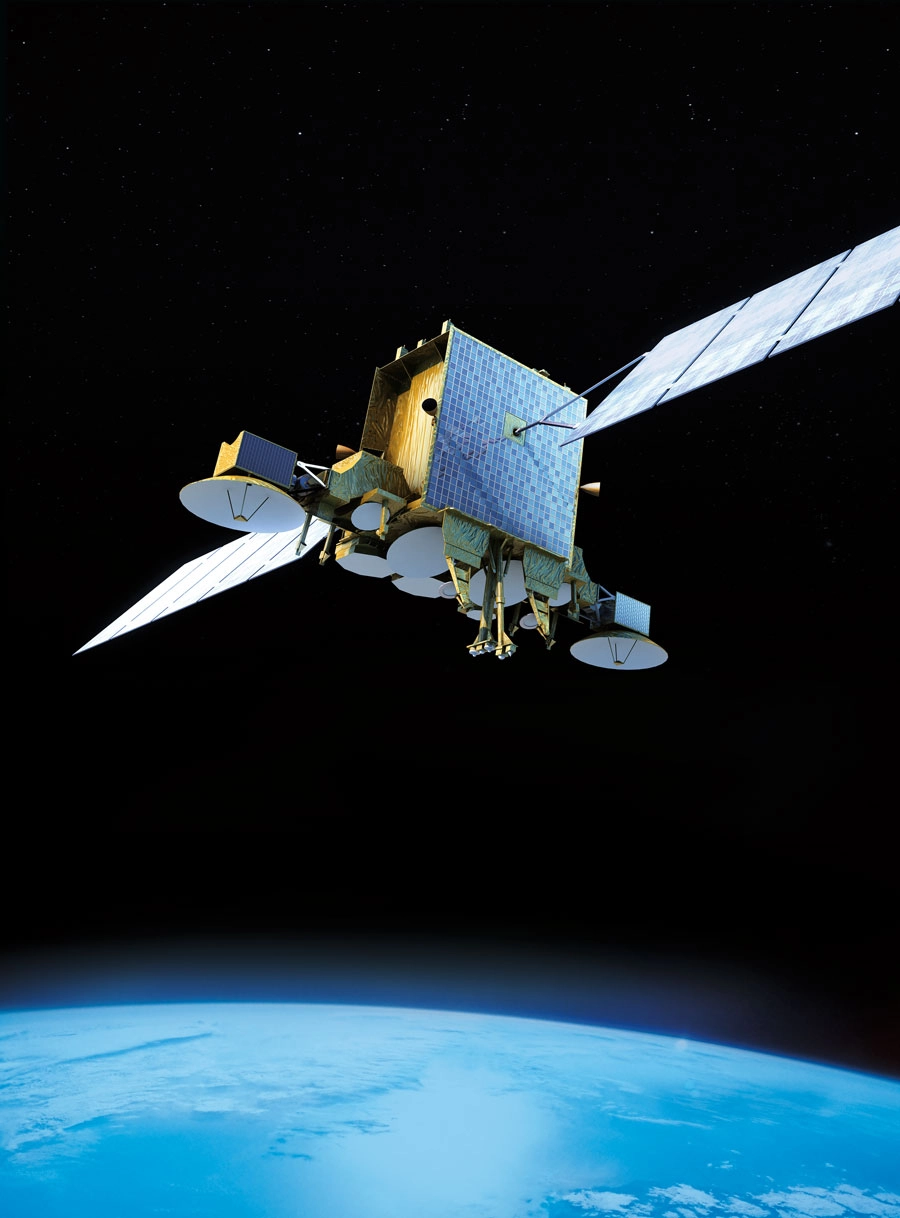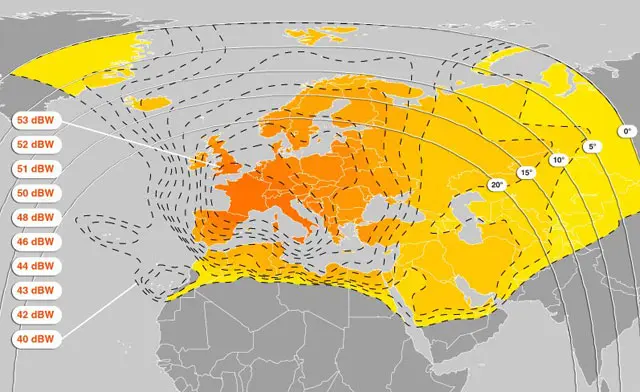
Hotbird is one of the most widely used communication satellites for broadcasting television and radio channels across Europe, the Middle East, and parts of North Africa.
Since its launch in 1995, the Hotbird satellite fleet has played a significant role in providing a wide variety of content, including free-to-air, subscription-based channels, and internet services.
With its strategic orbital position and advanced technology, Hotbird has established itself as a leader in the satellite broadcasting industry.
🚀 On the subject of Hotbird
Hotbird is operated by Eutelsat, one of the world’s leading satellite operators. The Hotbird satellite fleet consists of multiple satellites, such as Hotbird 13C, Hotbird 13B, and Hotbird 13E, which are positioned at 13° East longitude. This prime location allows Hotbird to provide coverage across large parts of Europe, the Middle East, and North Africa.
Hotbird offers an extensive array of services, including:
-
Television channels: A variety of TV channels, including news, sports, entertainment, and educational programming.
-
Radio broadcasting: Both FM and satellite radio services.
-
Data and internet services: Reliable internet and communication links for businesses and individuals.
-
Corporate communications: Private communication channels for corporate and government use.
🌐 Hotbird’s Satellite Fleet
The Hotbird fleet includes several satellites positioned in the same orbital slot at 13° East, which gives it an exceptional ability to serve a large area of coverage.
Key satellites in the Hotbird fleet include:
-
Hotbird 13B
-
Hotbird 13C
-
Hotbird 13E
-
Hotbird 13F (Upcoming)
These satellites are equipped with high-powered transponders that deliver a wide range of services across the broadcast and telecommunication sectors.
🛰️ Frequencies and Services on Hotbird
Hotbird offers services through several frequency bands, including the Ku-band and Ka-band. These frequencies are used for different purposes:
-
Ku-band: The most common frequency for satellite TV and radio services. It offers high-quality transmission with smaller dishes and supports high-definition (HD) channels and internet services.
-
Ka-band: Used for high-capacity data services and satellite internet, offering faster speeds and lower latency.
Hotbird’s wide range of frequencies enables users to access hundreds of television channels, radio stations, and internet services across a broad area.
📡 How to Receive Hotbird Signals
To receive signals from the Hotbird satellite, users need a satellite dish that is properly aligned to the 13° East orbital position. The dish should be connected to a compatible receiver, which will allow the user to tune in to the correct frequencies.
Common Hotbird Frequencies:
-
Hotbird 13C Frequency:
-
Frequency: 11.647 GHz (Horizontal)
-
Symbol Rate: 27500
-
FEC: 3/4
-
-
Hotbird 13B Frequency:
-
Frequency: 12.722 GHz (Vertical)
-
Symbol Rate: 27500
-
FEC: 3/4
-
These frequencies are used for a variety of services, including satellite TV channels, radio stations, and data transmission.
For precise information on the frequencies and satellite settings, FreqSatellite is an excellent resource that provides updated details for users looking to tune their satellite systems to Hotbird’s services.
Hotbird is a major player in satellite broadcasting, offering wide-reaching coverage and reliable services across Europe, the Middle East, and North Africa. Its fleet of satellites provides a broad range of services, including television, radio, internet, and data transmission, making it a key player in the communication industry.
If you are looking to set up a satellite system to receive Hotbird signals or need the latest frequency updates, FreqSatellite offers the most comprehensive guides and settings for all your satellite needs.
The ever-changing world of satellite frequencies is packed with new channels and shifting signals waiting to be discovered. We hope your time on Freq Tracker has sharpened your tracking skills and boosted your confidence in locking onto the perfect signal every time. Keep coming back to Freq Tracker for the most up-to-date frequencies and trusted data that guide you through the endless sky of satellites.
Essential Tips for High-Quality Satellite Reception:
- Perfect your dish alignment: Use a reliable satellite meter to maximize signal strength and quality—aim for 75% or higher for rock-solid performance.
- Opt for premium equipment: High-grade LNBs, low-loss coaxial cables, and waterproof connectors make all the difference in long-term stability.
- Secure a clear view of the sky: Even minor obstructions can weaken or block signals—always prioritize an unobstructed line of sight.
- Stay current with updates: Channels and transponders change frequently; regular visits to Freq Tracker keep you ahead of every move.
- Save your channel list: Always back up your receiver settings before firmware updates or full scans to save hours of work.
- Fine-tune with patience: Tiny adjustments to azimuth, elevation, or LNB skew can transform marginal reception into flawless viewing.
Remember, the clearest picture comes from careful setup and staying informed. Stay locked on, and enjoy flawless viewing with Freq Tracker!
Satellite frequencies are constantly evolving, with new channels appearing and signals shifting across the globe. We hope your visit to Freq Tracker has equipped you with better tools to find and lock onto channels quickly and reliably. Keep returning to Freq Tracker for the freshest frequency data and accurate updates that make your satellite experience smoother and more enjoyable.
Essential Tips for High-Quality Satellite Reception:
- Align accurately: Use a quality satellite finder or meter to achieve maximum signal strength and quality—target 75% or higher for stable viewing.
- Use premium gear: A good LNB, low-loss cables, and solid connectors significantly reduce signal degradation over time.
- Maintain clear sky view: Even small obstacles can disrupt reception—ensure an unobstructed path to the satellite.
- Keep frequencies updated: Channels move often; regular checks on Freq Tracker prevent you from losing your favorites.
- Backup everything: Save your channel list and settings before any receiver update or rescan.
- Tune patiently: Minor adjustments to dish position or LNB skew can turn a flickering signal into perfect clarity.
Remember, great reception is built on precision and staying current. Keep scanning the skies, and enjoy sharp, uninterrupted viewing with Freq Tracker!
The world of satellite frequencies remains full of rapid changes and new opportunities alike. We hope this visit to Freq Tracker has helped improve your ability to track channels more easily and achieve perfect reception with greater precision and confidence. Continue visiting Freq Tracker for the latest frequency updates and reliable data that accompany you on your journey through the vast world of satellites.
Essential Tips for High-Quality Satellite Reception:
- Align the dish precisely: Use a professional signal meter to reach the highest possible signal strength and quality, aiming for values above 75%.
- Choose high-quality components: Invest in a strong LNB, thick coaxial cables, and weather-resistant connectors to minimize losses to the lowest level.
- Ensure a completely clear line of sight: Avoid any obstruction, no matter how small, such as trees or buildings between the dish and the satellite.
- Stay updated regularly: Channels frequently move between frequencies, so visit Freq Tracker periodically to stay informed.
- Backup your receiver settings: Before any software update or full scan, save your channel list to avoid starting from scratch.
- Take your time with final adjustments: Small tweaks in dish direction or LNB skew can turn a weak signal into stable, excellent reception.
Always remember that perfect reception begins with attention to the smallest details. Stay locked in, and enjoy crystal-clear picture and sound with Freq Tracker!